A commercial parking lot is often the first physical touchpoint a customer, tenant, or business partner has with your property. While it is easy to view asphalt as a static, indestructible surface, it is actually a dynamic asset that requires consistent upkeep. When minor cracks inevitably appear, they are easy to overlook. However, letting these small imperfections evolve into full-blown potholes is a costly mistake.
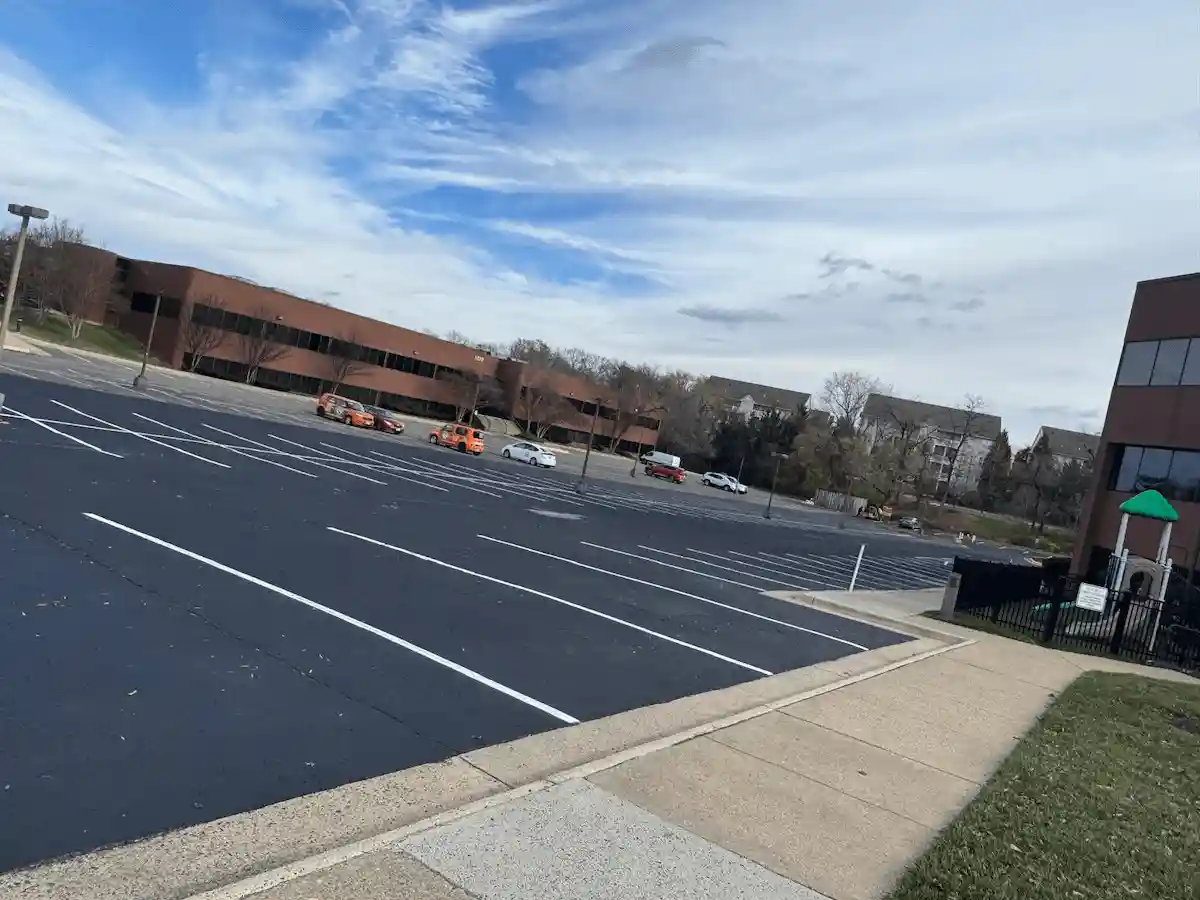
For property owners and facility managers, ignoring asphalt deterioration is not just a cosmetic oversight; it is a financial and legal liability. Understanding the compounding expenses associated with neglected pavement reveals why immediate intervention is always the most fiscally responsible choice.
The Science of a Pothole: How Small Cracks Become Major Liabilities
To understand why potholes are so destructive, it helps to understand how they form. Pavement degradation is primarily driven by water infiltration and fluctuating temperatures.
- Water Intrusion: Asphalt is engineered to shed water. However, as the surface ages, UV rays oxidise the binder, making it brittle. Small hairline cracks develop over time. When it rains, water seeps through these cracks and settles into the underlying subbase, the gravel foundation supporting the asphalt.
- Freeze-Thaw Cycles: As temperatures drop, the trapped water freezes and expands, pushing the asphalt upward. When temperatures rise, the ice melts, leaving a hollow void beneath the surface.
- Traffic Loading: As vehicles drive over these weakened, hollow sections, the unsupported asphalt collapses into the void. This collapse creates a pothole.
Once a pothole forms, the structural integrity of the surrounding pavement is compromised. Every car that drives over the edge of the hole chips away more asphalt, rapidly expanding its size and depth. This is why addressing cracks through preventative parking lot maintenance is crucial before they compromise the underlying foundation.
The Hidden Financial Toll of Neglect
Many property owners delay asphalt repairs to save money in the short term. However, deferring maintenance actually multiplies repair costs exponentially.
Exponentially Higher Repair Costs
A small crack can be easily sealed using cost-effective joint sealing methods. If left untreated, water degrades the subgrade. Once the subbase fails, simple patch repairs are no longer viable. Instead, you face deep-strength patching or full-depth reclamation, which requires excavating the damaged area, rebuilding the subbase, and laying fresh asphalt.
What could have been a minor, hundred-dollar maintenance task escalates into a multi-thousand-dollar capital expense. According to research on infrastructure preservation published by the Federal Highway Administration (.gov), preventative maintenance is significantly more cost-effective than reactive rehabilitation. Utilizing professional asphalt patching early on saves the subbase from total failure.
Accelerated Pavement Aging
A parking lot that receives timely crack filling and sealcoating can easily last 20 to 30 years. Conversely, a neglected parking lot subject to water intrusion can deteriorate completely in less than a decade. Allowing potholes to multiply forces you into premature asphalt paving, which is one of the most expensive capital improvements a property owner can face.
Legal and Financial Liabilities: Beyond the Surface
The cost of ignoring potholes extends far beyond the price of asphalt. Neglected pavement introduces severe liability risks that can directly impact your bottom line.
Premises Liability and Personal Injury Claims
Under premises liability laws, property owners have a legal obligation to maintain reasonably safe conditions for visitors and pedestrians. If a customer trips over a deep pothole in your parking lot and sustains an injury, you could be held liable for medical expenses, lost wages, and pain and suffering. Slip-and-fall lawsuits are notoriously expensive and can damage your business’s reputation.
Vehicle Damage Disputes
Potholes are notorious for causing severe vehicle damage, including popped tires, bent rims, ruined alignments, and compromised suspension systems. If a customer or tenant can prove their vehicle was damaged due to a known, unaddressed hazard on your property, your business may be held responsible for the repair bills.
ADA Compliance Violations
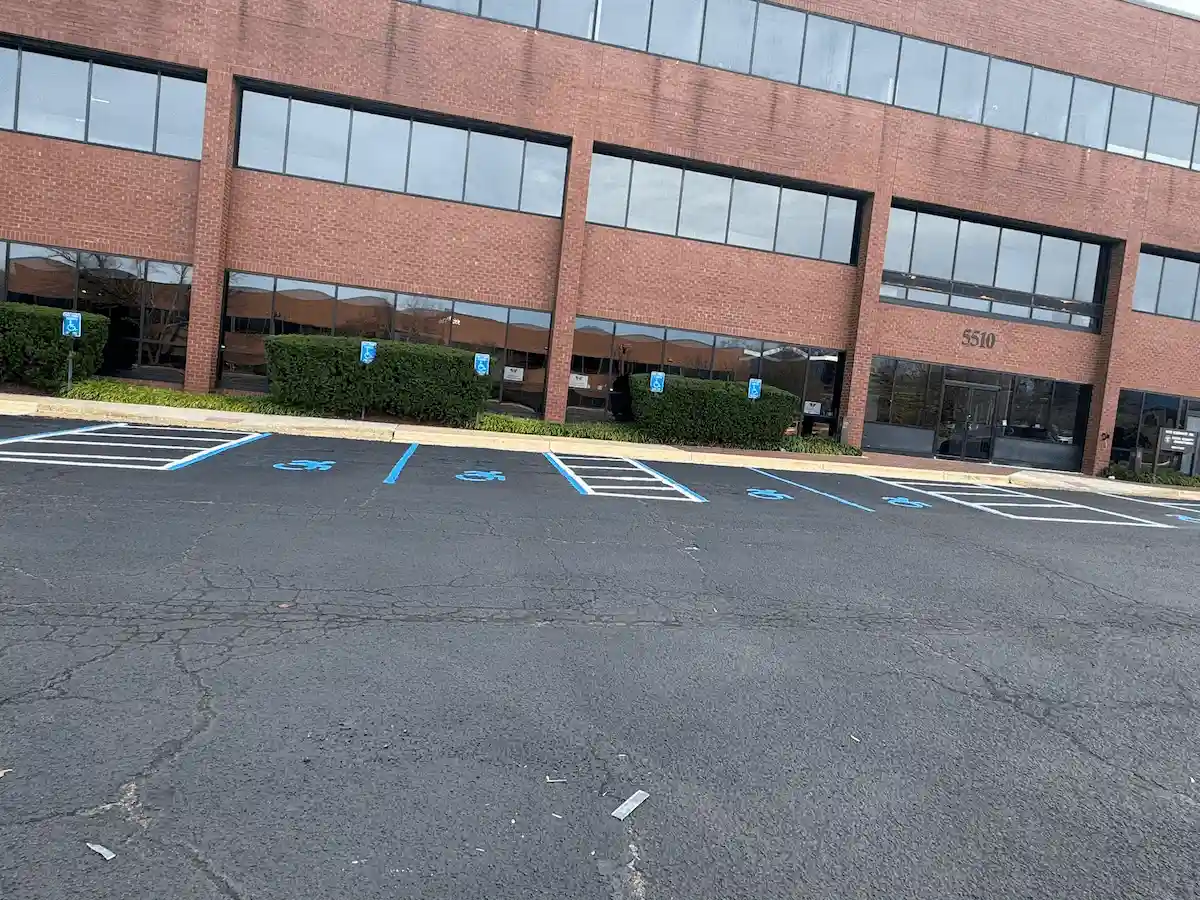
The Americans with Disabilities Act (ADA) outlines strict guidelines for accessible routes on commercial properties. If a pothole develops within an accessible parking space, an access aisle, or a pedestrian pathway, your property may no longer be compliant. Non-compliance can result in steep federal fines and costly lawsuits. Detail on accessible design standards can be reviewed directly via the U.S. Access Board.
The Ripple Effect on Your Business and Brand Image
Beyond the direct financial and legal threats, the physical state of your parking lot sends a powerful message to the public.
Curb Appeal and Customer Perception
Your parking lot is your property’s handshake. A clean, well-marked, and smooth parking surface projects professionalism, safety, and attention to detail. Conversely, a cratered, cracked parking lot suggests neglect. Customers may consciously or subconsciously associate the poor exterior condition of your property with the quality of your services or products, driving them toward competitors with more inviting facilities.
Declining Property Values
For commercial real estate investors and landlords, the condition of the parking lot directly influences property valuation. Prospective buyers and high-caliber tenants look at the state of the pavement during due diligence. If they spot widespread pothole damage, they will likely deduct the projected cost of a full repave from their offers, reducing your asset’s market value.
Designing a Proactive Maintenance Strategy
The most effective way to combat the costly cycle of pavement failure is to implement a proactive pavement management plan. Rather than waiting for problems to appear, property managers should establish a routine schedule for inspection and preservation. Detailed pavement engineering guidelines can be explored further through the National Center for Asphalt Technology at Auburn University, which offers extensive research on pavement life-extension techniques.
| Action Step | Recommended Frequency | Primary Benefit | Cost Category |
|---|---|---|---|
| Bi-Annual Inspections | Spring & Autumn | Identifies cracks, pooling, or early depressions early | Very Low |
| Prompt Crack Sealing | As needed (for cracks > 1/4 inch) | Stops surface water from reaching subgrade layers | Low (Preventative) |
| Routine Sealcoating | Every 2-3 Years | Shields asphalt from water, chemical spills, & UV damage | Moderate (Preservation) |
| Immediate Pothole Repair | Immediately upon discovery | Halts localized subbase erosion and safety liabilities | Moderate to High (Reactive) |
Safeguard Your Asphalt Investment Today
Maintaining a safe, attractive, and durable parking surface requires ongoing attention, but the return on investment is clear. By addressing minor wear before it turns into structural damage, you protect your visitors, reduce your legal exposure, and save thousands of dollars in premature replacement costs.
Ready to Extend Your Pavement’s Lifespan?
Don’t let deferred maintenance damage your bottom line. Partner with the experienced commercial paving crew at Pave N Save to design a customized pavement strategy for your commercial property.
Schedule a Parking Lot Assessment Today!